
What Actually Causes Shipment Delays in the Philippines (And How to Prevent Them)
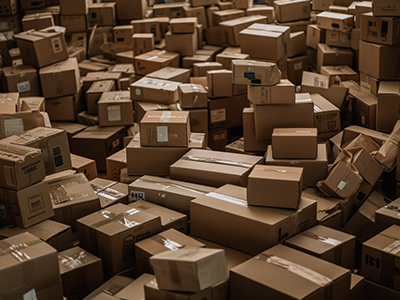
Most shipment delays in the Philippines don’t come out of nowhere. They follow a pattern, the same causes surfacing repeatedly across different industries, routes, and cargo types. The businesses that consistently avoid them aren’t lucky. They understand where the risk lives and plan around it before a shipment moves.
This is our breakdown of the real causes of freight delays in the Philippines, drawn from 16 years of managing shipments across air, ocean, and inter-island routes. And what Philippine businesses can do about each one.
1. Port Congestion at Manila and Cebu
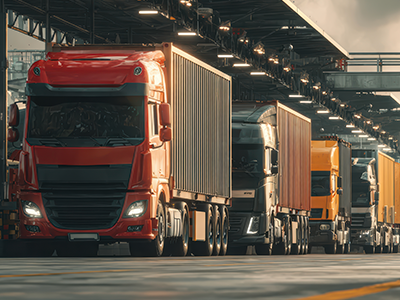
This is the most common cause of shipment delays in the Philippines. It happens when there are too many cargo vessels arriving at a port, causing delays in docking, unloading, and clearing shipments. It creates a ripple effect that slows the entire supply chain, drives up costs, and creates major headaches for importers, exporters, and logistics partners.
Manila, the country’s capital, handles the bulk of container traffic. The Philippines’ e-commerce explosion has overwhelmed its ports, with expansion projects lagging and intermodal links failing, and regional alternatives like Batangas can’t fully compensate, as they’re now congested too.
The problem compounds when documentation isn’t ready before the vessel berths. When the terminal slows down, any small mistake in paperwork becomes an expensive delay. Most of these mistakes start long before the vessel reaches Manila.
How to prevent it: Work with a freight forwarder who monitors port yard utilization and submits pre-arrival documentation ahead of vessel arrival, not after. Build buffer days into ocean shipment schedules during peak cargo periods and typhoon season.
2. Customs Clearance Errors and Documentation Gaps
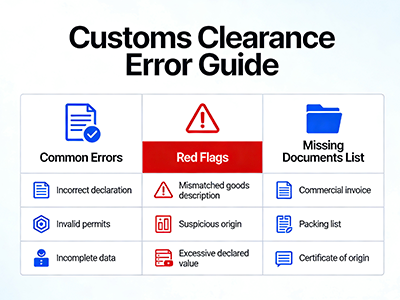
Customs clearance delays in the Philippines are largely self-inflicted, and largely avoidable. Inaccurate or incomplete documentation is the leading cause of customs delays in the Philippines. Even minor errors, such as mismatched product descriptions, incorrect HS codes, or missing signatures, can trigger customs examinations or hold-ups.
The Bureau of Customs (BOC) operates a lane system that determines how your shipment is processed. Green Lane shipments face no physical inspection and clear in 1–2 days. Yellow Lane involves document review and takes 3–4 days. Red Lane is high-risk and involves full physical inspection. The lane your shipment enters depends heavily on how clean your documentation is.
There’s also post-clearance risk. Under the Customs Modernization and Tariff Act, the Bureau of Customs may conduct post-clearance audits to verify the accuracy of declarations. Companies that fail to maintain proper records may face administrative penalties or increased scrutiny in subsequent transactions.
How to prevent it: Submit complete, accurate shipping documents well before cargo arrives. These include commercial invoice, packing list, bill of lading, and applicable permits. Use a licensed customs broker who is knowledgeable on BOC requirements.

3. Typhoons and Seasonal Weather Disruptions
The Philippines sits in the Pacific typhoon belt, which is an unavoidable geographic reality that directly affects freight forwarding schedules every year. Typhoon season runs from June through November, with the most active period from August to October. During this window, weather disruptions, such as typhoons, are a frequent occurrence in the archipelago and a common cause of cargo delivery delays.
Port suspensions, flight groundings, and inter-island vessel cancellations can happen with little advance notice. Frequent natural disasters like typhoons and floods exacerbate logistical challenges like damaged roads and bridges that further increase lead times and operational costs.
How to prevent it: For time-sensitive cargo, build typhoon season into your decision ladder. This is one of the clearest cases where air freight reduces risk that ocean freight cannot. For bulk shipments that must move by sea, earlier booking and broader delivery windows protect against forced rescheduling. Always have a contingency route or forwarder relationship ready.
4. Inter-Island Routing Complexity
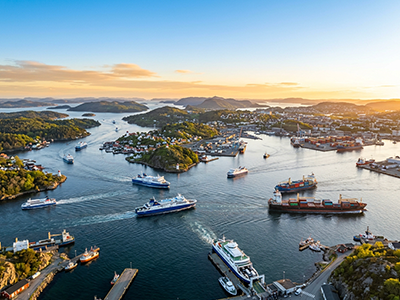
International guides to shipping delays rarely account for what happens after cargo clears Manila customs. The Philippines has over 7,100 islands, and getting cargo from a major port to its final destination in the Visayas, Mindanao, or a provincial hub adds another layer of scheduling, vessel availability, and transit time that most standard quotes don’t reflect.
The island geography of the Philippines presents complexities of coordinating shipments, tracking deliveries, and managing inventories that become exponentially more challenging without automated systems. A shipment that clears Port of Manila on schedule can still arrive late at its actual destination if the inter-island leg wasn’t planned as part of the full transit.
How to prevent it: Treat the inter-island leg as part of the shipment plan from day one, and not an afterthought after international clearance. Confirm vessel schedules, inter-island transit times, and last-mile connections before booking international freight.
5. Poor Lead Time Planning
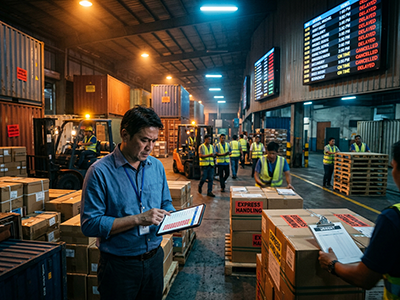
Many freight delays in the Philippines aren’t caused by ports, weather, or customs, sometimes they’re caused by the shipper booking too late. Bookings during peak periods mean competing for limited vessel or cargo hold space, and often at a higher cost and less schedule reliability.
Businesses that treat freight as a last-minute transaction consistently absorb costs that could’ve been avoided, like expedited handling, premium rates, and the downstream cost of delayed inventory.
How to prevent it: Map your reorder cycles and build freight booking into your procurement timeline. For ocean shipments, aim to book 3–4 weeks ahead during normal periods and further during peak season. For air, 5–7 business days is the minimum for most international routes into the Philippines.
The Pattern Behind Every Delay
Most shipment delays in the Philippines share a common thread: they were predictable. Port congestion follows cargo volume cycles. Customs clearance delays follow documentation gaps. Typhoon disruptions follow the calendar. Inter-island delays follow inadequate planning. Late bookings follow reactive procurement.
OTD helps Philippine businesses get ahead of all of it, with 16 years of route knowledge, BOC compliance experience, and carrier relationships across air, ocean, and inter-island lanes. If your shipments are running late more than they should, the problem is usually upstream — and that’s exactly where we start.