
3 Questions to Ask a Logistics Provider Before Signing

Choosing a logistics provider in the Philippines isn’t just about finding someone who can move your goods from point A to point B.
It’s about finding a partner you can trust with your shipments, timelines, and business operations.
A low quotation might look attractive. But what happens when unexpected charges appear, shipment updates are hard to get, or nobody seems to know who’s handling a delay?
These are the problems businesses should try to avoid before signing a service agreement.
Whether you’re comparing freight forwarding services or looking for a long-term logistics partner, here are three questions worth asking.
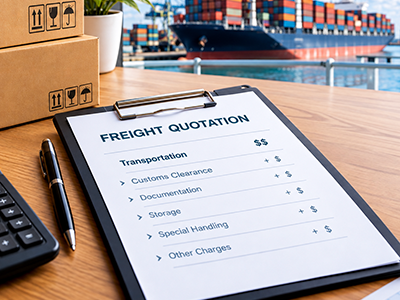
1. What’s Included in Your Quote, and What Could Cost Extra?
When comparing logistics providers, price is usually one of the first things businesses consider.
But the cheapest quotation isn’t necessarily the most cost-effective option.
Depending on the shipment, additional charges may apply for customs-related services, documentation, storage, special handling, or other requirements. DHL’s Philippine shipping resources identify several possible import-related fees beyond basic transportation charges.
Before accepting a quotation, ask your provider to explain exactly what’s covered.
Questions worth asking:
- Is this an all-in quotation or a base freight rate?
- Which charges are included, excluded, or estimated?
- What happens if customs clearance takes longer than expected?
- Are there possible storage, demurrage, detention, or handling fees?
- How will you inform us about additional charges?
A trustworthy provider should explain which costs are fixed, which may change, and what situations could affect your final bill.
|
Watch out for this If the provider gives a very low quote but struggles to explain possible additional costs, that’s worth investigating. |
Not every extra charge is avoidable. However, businesses should understand their financial exposure before committing.
The goal isn’t simply to get the lowest shipping rate. It’s to avoid costly surprises.
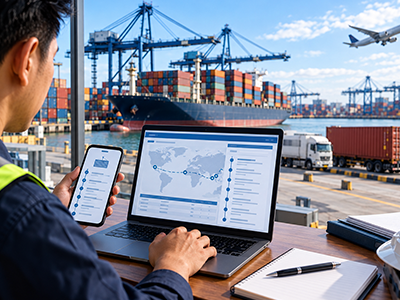
2. How Will I Know Where My Shipment Is?
Once goods leave your supplier or warehouse, you shouldn’t have to guess what’s happening to them.
Good shipment tracking is more than receiving a tracking number.
Businesses need useful updates so they can plan inventory, arrange deliveries, inform customers, and prepare for possible disruptions.
Maersk identifies supply chain visibility as an important tool for managing risks, improving efficiency, and making better operational decisions. Its research also emphasizes that visibility should provide useful information beyond a shipment’s location.
Before choosing a logistics company in the Philippines, find out how it handles shipment updates.
Questions worth asking:
- Can we track our shipment online or through regular updates?
- Which milestones will you report?
- How often are shipment statuses updated?
- Will you notify us proactively about delays?
- Can you explain what caused the delay and what happens next?
Not every provider needs an advanced tracking platform. For some businesses, reliable milestone updates and a responsive contact person may be enough.
What matters is getting accurate information when you need it.
|
Watch out for this If getting a basic status update requires repeated calls, emails, and follow-ups, consider what that could mean when something actually goes wrong. |
A good logistics partner shouldn’t leave customers chasing information.

3. Who Will Handle My Shipment When Something Goes Wrong?
Shipments don’t always go according to plan.
Port congestion, incomplete paperwork, customs inspections, weather disruptions, and transportation issues can affect delivery schedules.
What separates a dependable freight forwarder from a frustrating one isn’t necessarily the absence of problems. It’s how those problems are handled.
Maersk highlights the value of having clear communication and a single point of contact when coordinating different transport providers and shipment stages.
Before signing, ask who will manage your account and what happens when an issue needs immediate attention.
Questions worth asking:
- Will we have a dedicated contact person?
- Who coordinates with carriers, customs brokers, and transport partners?
- How quickly can we expect a response?
- Will you inform us about problems before we discover them ourselves?
- What’s your escalation process for urgent concerns?
Clear responsibilities matter because international shipments often involve several parties.
FIATA’s freight forwarding model rules also address the rights, responsibilities, and liabilities of freight forwarders and their customers, highlighting the importance of clearly defined service arrangements.
|
Watch out for this If nobody can clearly explain who takes responsibility for updates or problem resolution, communication gaps may become a recurring issue. |
A logistics partner should help solve problems, not make you manage them alone.
Choose a Logistics Partner, Not Just a Shipping Rate
The right logistics provider can do more than transport cargo. It can help your business plan better, respond to disruptions, and keep your supply chain moving.
Before signing, remember these three essentials:
- Transparent costs: Know what you’re paying for and what could change.
- Reliable shipment visibility: Understand where your goods are and what’s happening next.
- Clear communication: Know who to contact and how issues will be handled.
A good provider should be willing to answer these questions clearly, without complicated explanations or vague promises.
At On the Dot Logistics, we believe better logistics starts with understanding what your business needs, asking the right questions, and planning ahead.
Looking for freight forwarding services in the Philippines? Connect with OTD to discuss your shipping requirements and explore a logistics solution that makes sense for your business.