
Building a Typhoon-Ready Supply Chain in the Philippines

Ports close. Vessels cancel sailings. Trucks can’t move. And the businesses that come out of typhoon season without major losses are the ones that didn’t wait for a weather alert to start planning.
Here’s what ops managers and supply chain decision-makers need to do before the storm hits.
Why 2026 Demands a Different Approach
This year, the risk profile has shifted.
PAGASA forecasts 9 to 13 typhoons entering the Philippine Area of Responsibility between June and November. The catch: fewer storms are expected toward the end of the year, but the ones that do arrive are likely to reach typhoon or super typhoon intensity.
The reason is El Niño. PAGASA puts the probability of a very strong El Niño at 81% between October and January 2027. During El Niño, storm formation slows down, but warmer ocean temperatures fuel stronger individual storms.
One super typhoon during Q4 can disrupt more than several ordinary storms spread across a season. Plan for intensity, not just frequency.
1. Move Inventory Before You Need To
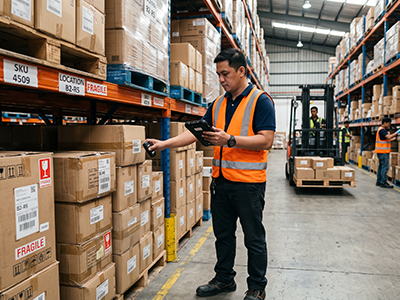
The most effective thing an ops manager can do right now is get stock closer to where it’s needed—before typhoon season peaks.
When a major port suspends operations, the delay doesn’t stop at one day. In the Philippines, a single day of port closure typically leads to three or more days of delay in sea freight and RoRo deliveries once operations resume. For cargo moving to Visayas or Mindanao, that delay compounds across every inter-island leg.
Pre-positioning inventory at regional hubs in July and August, before storms and Q4 freight demand collide, costs less than emergency rerouting in October.
2. Map Your Backup Routes Now
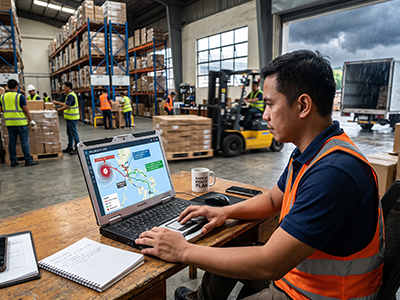
Typhoons don’t shut down the entire country at once. While one port is closed, another may still be running. While one highway is flooded, an inland road may still be passable.
The problem is that most businesses only discover their backup options after their primary route fails.
Map these out now:
- Which ports can substitute for your primary entry point
- Which trucking corridors hold up during heavy rain in your region
- Which inter-island routes cover your key provincial destinations
- At what point it makes sense to shift from ocean to air freight
That last point matters especially in 2026. Pre-agreeing air freight trigger conditions and rates with your logistics provider before typhoon season means you’re not negotiating from a desperate position when you actually need to switch.
3. Have More Than One Carrier
A single carrier is a single point of failure. If your primary shipping line suspends sailings, your options narrow fast. Narrow options mean higher spot rates and longer wait times.
Before typhoon season peaks, confirm with your logistics partner:
- Which alternative carriers cover your routes
- What the process is when a primary vessel or flight is cancelled
- Whether backup RoRo space is pre-arranged for inter-island shipments
The answers tell you whether your partner is actually set up to protect you during a disruption, or whether you’ll be figuring it out together in real time.
4. Clean Up Your Documentation Before Storm Season
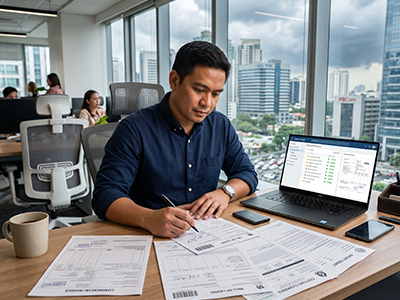
A missing permit or a mismatched invoice is a minor inconvenience in February. During a typhoon recovery period, it becomes a multi-day hold. Port queues are backed up, customs teams are overwhelmed, and there’s no buffer left in the schedule.
Run through this before typhoon season peaks:
- Are commercial invoices, packing lists, and bills of lading accurate and consistent?
- Are permits and clearances in place for regulated cargo (FDA, BPI, and others)?
- Are HS codes correctly classified?
- Are digital copies of all documents accessible if your office is affected?
Clean documentation doesn’t prevent typhoons. But it removes one of the most common reasons cargo sits at port longer than it needs to during recovery.

5. Know Your Financial Exposure Before a Storm Is Named
Typhoon disruptions are expensive in ways that don’t always show up immediately: emergency rerouting costs, demurrage on containers that couldn’t be moved in time, premium rates during the recovery rush, and extended storage fees while ports clear their backlog.
Review two things now:
- Your cargo insurance coverage and what weather-related disruptions are actually included
- Force majeure clauses in your supplier and carrier contracts, specifically what triggers them and what they cover
The businesses that recover fastest from typhoon disruptions aren’t the largest ones. They’re the ones that already understood their financial exposure and had a plan before the storm was named.
The Bottom Line
A typhoon-ready supply chain in the Philippines isn’t built during a weather bulletin. It’s built in the months before typhoon season peaks.
Pre-position your inventory. Map your backup routes. Confirm your carrier alternatives. Get your documentation clean. Know your financial exposure.
OTD helps Philippine businesses plan and move freight through typhoon season — across air, ocean, and inter-island routes — with 14 years of routing knowledge and established carrier relationships nationwide.