
Warehousing 101: When Warehouse Storage Becomes a Smart Business Move
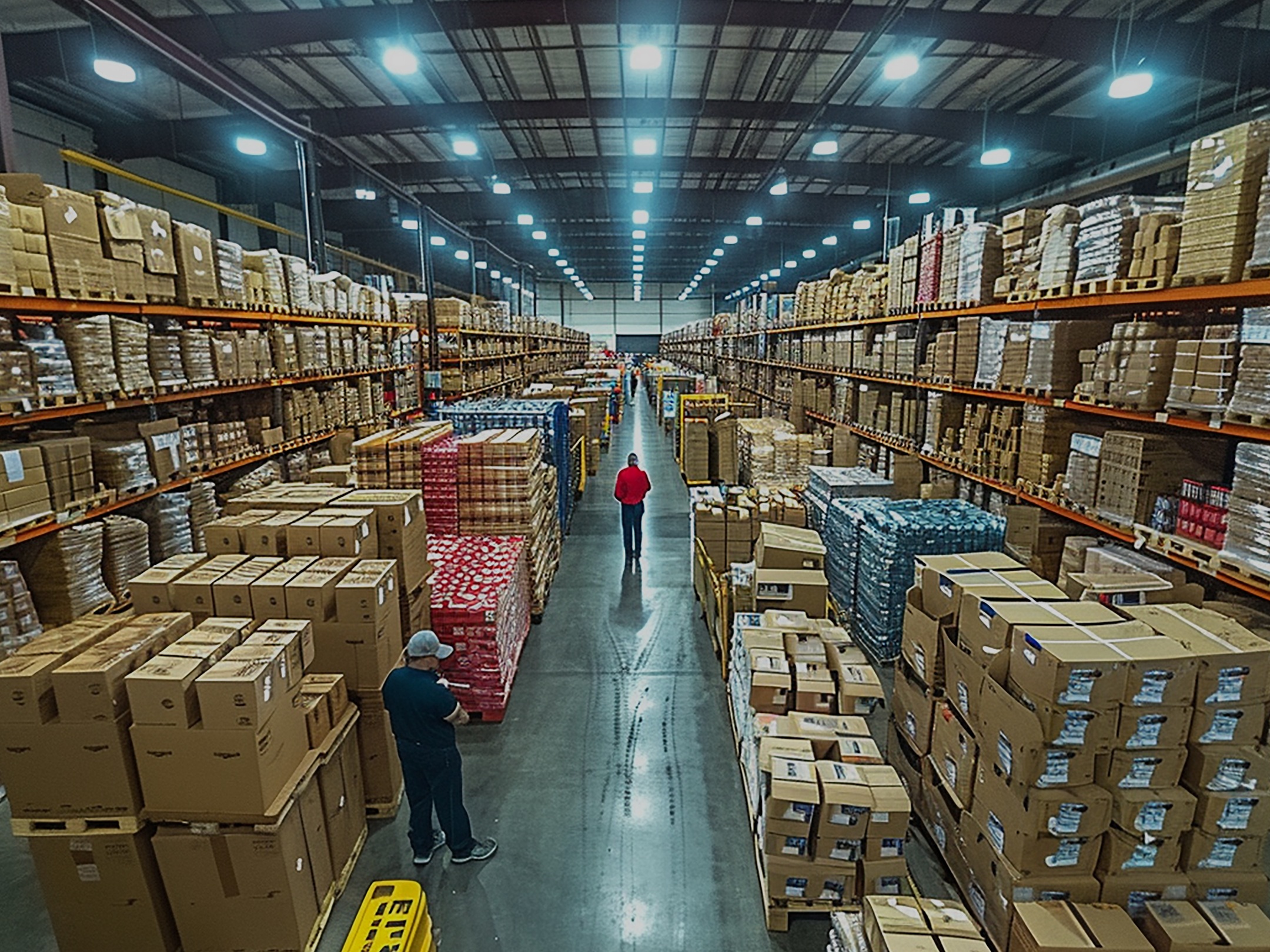
For a growing business, needing more space can seem like a simple storage problem. Products are arriving faster, inventory is piling up, and suddenly the stockroom, office, or back area is no longer enough.
But warehouse storage is about more than finding somewhere to put extra boxes.
When used strategically, warehousing can help a business improve inventory management, prepare for changing demand, manage larger shipments, and move products more efficiently. For companies reaching that stage, warehousing services in the Philippines can become an important part of a broader logistics strategy.
What Is Warehousing?
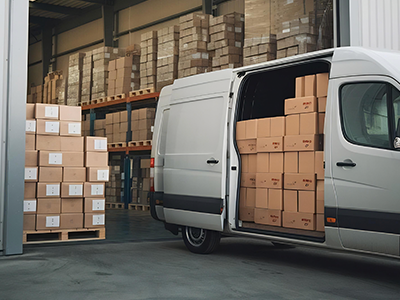
Warehousing is the process of receiving and storing products, materials, or inventory until they are needed for sale, production, distribution, or delivery.
Depending on the operation, a warehouse may hold imported goods, raw materials, finished products, seasonal stock, e-commerce inventory, or supplies.
Modern warehouse management can also go beyond storage. A warehouse operation may include inventory tracking, receiving, picking, packing, labeling, and preparing goods for dispatch.
Warehouse management systems, for example, can provide businesses with greater visibility into inventory while helping coordinate fulfillment and the movement of goods inside a facility.
So when does renting or outsourcing warehouse space actually make business sense?
1. Your Inventory Is Taking Over Your Business Space
One of the easiest warning signs to spot is a lack of space.
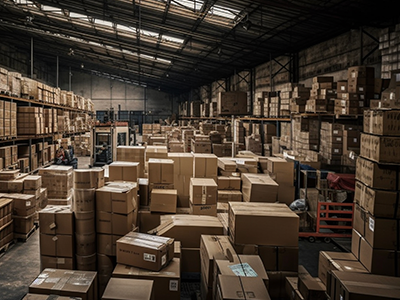
If inventory is taking over offices, retail areas, production spaces, or rooms meant for other activities, storage may already be affecting productivity.
Moving products into dedicated warehouse storage creates room for day-to-day operations while allowing inventory to be organized more systematically.
Instead of moving boxes around whenever new stock arrives, businesses can create designated locations for products and establish clearer receiving and dispatch processes.
2. You Are Importing Larger or More Frequent Shipments
As purchasing volumes increase, businesses may start importing larger shipments or ordering more frequently.
That creates an important logistics question: Where will the goods go once they arrive?
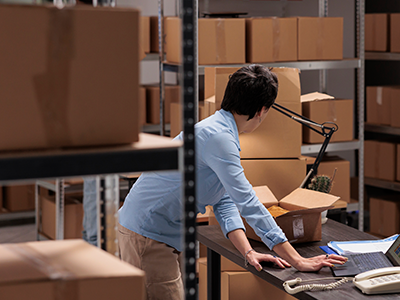
A warehouse can act as the bridge between inbound freight and local distribution. Products can be received, stored, organized, and released as stores, branches, dealers, or customers need them.
This becomes particularly useful when imported goods arrive in quantities larger than a company can immediately distribute.
Rather than treating freight forwarding, warehouse storage, and local transportation as separate activities, businesses can plan them as connected parts of the same supply chain.
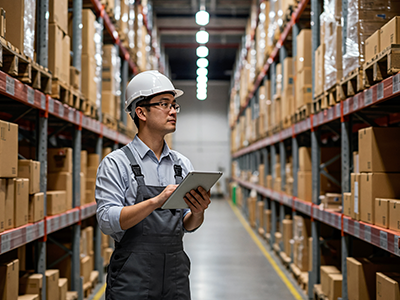
3. You Need Better Inventory Control
Growing inventory can become difficult to manage when products are scattered across several locations or stored without a clear system.
Businesses may struggle to answer basic questions:
How much stock is available? Where is a particular item located? Which products have been sitting longest? What needs replenishment?
Structured inventory management and warehouse systems can give companies better visibility into stock levels and product locations. Oracle notes that modern warehouse management technology can provide real-time inventory visibility and help businesses improve fulfillment efficiency.
For a growing operation, that visibility can help reduce unnecessary purchases, misplaced stock, and fulfillment delays.
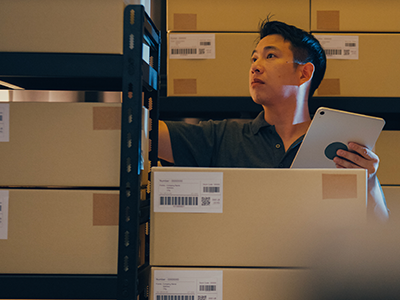
4. Order Fulfillment Is Becoming More Complicated
Storage problems often turn into order fulfillment problems.
Employees may spend too much time locating products. Orders may take longer to prepare. Stock may be stored wherever space happens to be available.
A properly organized warehouse can create a clearer flow from receiving to storage, picking, packing, and dispatch.
This is particularly relevant for e-commerce and distribution businesses handling increasing order volumes.
DHL notes that companies can manage fulfillment internally or outsource it to a third-party provider. In-house fulfillment offers greater control but also requires warehouse space, employees, and technology, while outsourced fulfillment can reduce operational workload and support scaling.
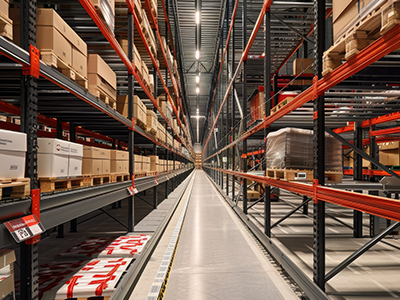
5. Your Business Has Seasonal or Fluctuating Demand
Some businesses need significantly more inventory during certain periods.
Retailers may build inventory before holiday seasons. Importers may bring products in earlier to account for longer lead times. Manufacturers may keep additional raw materials available ahead of production increases.
Warehousing gives businesses room to prepare for these fluctuations rather than depending entirely on last-minute replenishment.
The goal, however, is not simply to store as much inventory as possible.
Good inventory management means balancing product availability with the costs of keeping excess stock.
Should You Run Your Own Warehouse or Outsource?
Operating your own warehouse provides control, but it also means handling rent, staffing, equipment, utilities, security, technology, maintenance, and daily operations.
For companies with predictable, high storage volumes, that investment may make sense.
Others may find third-party logistics more practical.
A 3PL provider can handle services such as warehousing, transportation, fulfillment, and sometimes customs-related logistics without requiring the business to develop that infrastructure internally. DHL also identifies warehousing and inventory management as core logistics functions that businesses can outsource depending on their size and requirements.
This flexibility can be particularly useful for businesses whose inventory levels change throughout the year.
Location Matters Just as Much as Space
The cheapest warehouse is not necessarily the most cost-effective warehouse.
Businesses should also consider proximity to ports, customers, suppliers, distribution routes, and major transport infrastructure.
In the Philippines, Colliers reported in its H1 2026 industrial market research that warehouse demand remained strong, with companies placing particular importance on strategic location, transport connectivity, and rental affordability when choosing industrial sites.
A warehouse with a convenient location may help reduce transportation time and simplify distribution even if its storage rate is slightly higher.
When Storage Becomes Strategy
Warehousing becomes a smart business move when it does more than solve a space problem.
The right setup can improve inventory management, support larger shipments, streamline order fulfillment, prepare a business for changing demand, and create a more organized flow of goods.
For growing companies, choosing the right warehousing services in the Philippines means looking beyond square meters and storage rates.
Warehousing should work together with freight forwarding, transportation, inventory planning, and distribution.
On the Dot Logistics helps businesses connect these parts of the supply chain. Whether you need temporary warehouse storage, support for imported shipments, or a longer-term logistics solution, OTD can help you build a setup that keeps your goods organized and ready to move.