Cold Chain Logistics Philippines: Food and Pharma Guide | OTD Logistics

Cold Chain Logistics Philippines: Food and Pharma Guide | OTD Logistics

Cold Chain Logistics Philippines: Food and Pharma Guide | OTD Logistics

If your cargo needs to stay cold from origin to destination, a standard shipment plan won’t cut it. Cold chain logistics is its own discipline. And in the Philippines, the stakes are higher than most markets because of the geography, the infrastructure gaps, and the regulatory requirements that come with moving perishable food and pharmaceutical products.

This guide covers what temperature-controlled logistics in the Philippines actually involves, where things go wrong, and what businesses in food and pharma need to prepare for.

On The Dot Logistics

What Cold Chain Logistics Actually Means

Cold chain logistics is the continuous management of temperature throughout every stage of a shipment, from storage, to transport, to last-mile delivery. This meticulous approach ensures that the product’s quality, safety, and efficacy are not compromised at any point. For many temperature-sensitive goods, especially pharmaceuticals, couriers maintain a temperature range between 2°C and 8°C to ensure product integrity. 

A break anywhere in that chain, like a power interruption at the warehouse, a delay at port, a reefer truck without a backup generator, can compromise the entire shipment. For food, that means spoilage and waste. For pharmaceuticals, it can mean loss of drug efficacy or a serious health risk to the end user.

Why the Philippines Makes Cold Chain Harder

The Philippines presents specific challenges that most cold chain guides written for other markets don’t account for.

Geography. Distributing goods across more than 7,000 islands requires costly inter-island shipping, and domestic maritime transport rates often rival or exceed international freight charges. Every island hop is another point of exposure for temperature-sensitive cargo.

Infrastructure gaps. Cold chain logistics in the Philippines is constrained by inadequate infrastructure and inconsistent power supply, particularly in rural and provincial areas. High electricity costs also impact cold storage operations significantly. 

Skills gap. TESDA has identified a gap in certified professionals capable of handling high-tech cold chain equipment in the Philippines. This skills deficit results in higher equipment downtime, improper temperature control, and increased spoilage rates.

None of these are reasons to avoid cold chain logistics in the Philippines. They’re reasons to plan it more carefully and work with partners who know the terrain.

On The Dot Logistics

Food: What’s Required and What Goes Wrong

The food cold chain in the Philippines covers meat, seafood, dairy, frozen goods, fresh produce, and processed food requiring controlled temperatures. The Food Safety Act of 2013, enforced by the Department of Agriculture and Department of Health, mandates strict compliance with food safety standards across the supply chain, including controls for storage, transportation, and handling of perishable goods — covering licensing, temperature monitoring, and traceability. 

What this means in practice:

  • Cold storage – certified facilities that can maintain required temperatures and document them
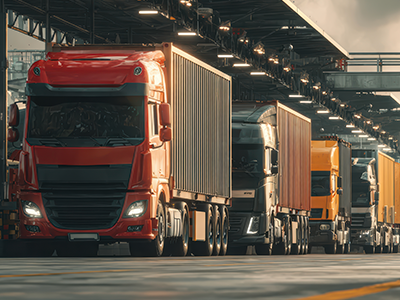
  • Reefer transport – refrigerated trucks with functioning backup systems for inter-city and inter-island movement
  • Monitoring documentation – temperature logs from origin to delivery that satisfy food safety audits

Where it breaks down: gaps between transport legs. A shipment that maintained temperature through international ocean freight can still spoil if it sits on a hot Manila port yard without cold handling during customs clearance. The last mile, especially for deliveries outside Metro Manila, is where most cold chain failures in the food sector occur.

On The Dot Logistics

Pharma: Stricter Standards, Less Room for Error

Pharmaceutical cold chain logistics operates under a different level of scrutiny than food. The pharmaceutical cold chain segment in the Philippines grew by 35% in 2024, driven by stringent requirements for vaccine, biologic, and high-value medicine logistics — reinforced by ongoing immunization programs and pandemic response infrastructure.

The global standard for pharmaceutical cold chain compliance involves:

  • Good Distribution Practice (GDP) – WHO guidelines requiring that medicines are stored and transported under conditions that protect their quality throughout the distribution chain
  • Temperature range compliance – most vaccines and biologics require 2°C to 8°C; some biologics and cell therapies require sub-zero or cryogenic conditions
  • Real-time IoT sensor monitoring to maintain pharmaceutical cold chain temperature guidelines throughout transit 
  • Documentation trails that satisfy both local FDA and international standards

The consequence of a cold chain breach in pharma isn’t just product loss, it’s regulatory exposure, potential product recalls, and liability risk that extends well beyond the cost of the shipment.

What to Look for in a Cold Chain Partner

Not all freight forwarders in the Philippines handle temperature-controlled logistics. When evaluating a partner, ask specifically:

  • Facility certification – Does their cold storage carry ISO or HACCP certification? Is it audited?
  • Reefer fleet capability – Do they own or manage refrigerated vehicles with temperature logging? What’s the backup plan if a unit fails mid-route?
  • Inter-island coverage – Can they manage the cold chain continuously from port to provincial destination, or does the chain break at the inter-island leg?
  • Documentation standards – Can they provide continuous temperature records from origin to delivery for regulatory compliance?
  • Contingency handling – What happens when a shipment is delayed at customs or held at port? Does cold handling continue, or does the cargo sit uncontrolled?

The right partner for your cargo is one who can handle your specific route, your temperature requirements, and your compliance documentation.

The Bottom Line

Cold chain logistics in the Philippines is a growing market responding to real demand, but the infrastructure isn’t uniform, and the risks are concentrated in specific points: inter-island legs, port handling, and last-mile delivery outside major urban centers.

For food and pharma businesses, the cost of a cold chain failure almost always exceeds the cost of doing it properly from the start. That means choosing the right mode, the right storage, and a freight forwarding partner with verified temperature-controlled capabilities across your entire route.

OTD works with food and pharmaceutical importers across the Philippines, from international freight to customs clearance to inter-island delivery. Talk to us about your cold chain requirements →

STORIES FROM THE INDUSTRY

Customs Clearance in the Philippines: A Business Owner’s Guide | OTD Logistics

What do Philippine SMEs actually need to know about customs clearance? From required documents to BOC lane classifications, here’s a plain-language guide to importing and exporting without the costly surprises.

Why Shipping Costs Fluctuate (And How Businesses Can Stay in Control)

Learn why shipping costs fluctuate and discover practical shipping cost management and freight cost control strategies for your business.

The Difference Between a Delay and a Supply Chain Disruption in the Philippines

A delayed shipment and a disrupted supply chain are not the same problem. This guide helps Philippine businesses tell the difference, respond correctly, and build operations that hold up under both.

Customs Clearance in the Philippines: A Business Owner’s Guide | OTD Logistics

Customs Clearance in the Philippines: A Business Owner’s Guide | OTD Logistics

Customs Clearance in the Philippines: A Business Owner’s Guide | OTD Logistics

Customs clearance in the Philippines is the step most SMEs either rush through or hand off without understanding, and it’s where most avoidable costs and delays happen. This guide covers what you actually need to know: what to prepare, how the system works, and what to watch out for.

On The Dot Logistics

First: What Customs Clearance Actually Is

Customs clearance is the process of getting your goods legally released by the Bureau of Customs (BOC) after they arrive in the Philippines—or before they leave, if you’re exporting. Importation begins when the carrying vessel or aircraft enters Philippine territory with the intention to unload. It is only considered complete when duties, taxes, and other charges have been paid and the legal permit for withdrawal has been granted.

Until that happens, your cargo sits at the port, and the clock is running.

On The Dot Logistics

Before You Import: What You Need to Set Up

You can’t just receive a commercial shipment. There are prerequisites.

You must be an active, registered, and accredited importer with both the Bureau of Customs and the Bureau of Internal Revenue. Specifically:

  • SEC registration (for corporations) or DTI registration (for sole proprietors)
  • BIR Tax Identification Number (TIN)
  • BOC accreditation via the Client Profile Registration System (CPRS)
  • Company profile and proof of physical offices and warehouses
  • Mayor’s Permit and Barangay Permit

The most critical step is registering with the Bureau of Customs to obtain an Importer/Exporter Registration Number (IEN). Without it, you cannot legally lodge a goods declaration.

If your goods are regulated, like food, pharmaceuticals, chemicals, telecoms equipment, you’ll also need permits from the relevant government agencies such as the FDA or Bureau of Plant Industry. Most permits can be filed on TradeNet, the national system for submission and processing of trade documents.

On The Dot Logistics

The Documents You Need for Every Shipment

Get these ready before cargo arrives, and not after.

Required documents for customs clearance in the Philippines include: 

  • a packing list detailing the contents of each package; 
  • a commercial invoice with item descriptions, quantities, price, and payment terms; 
  • a bill of lading (or airway bill) serving as receipt and transport record; 
  • and a certificate of origin, which determines the applicable tariff rate. 

Depending on the product, an import permit or clearance from the relevant government agency may also be required. 

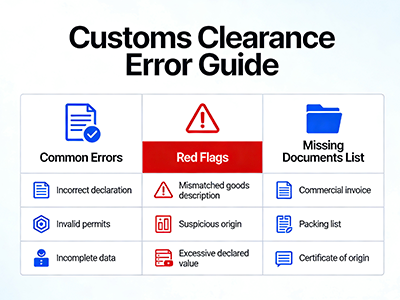
Errors on any of these, such as mismatched descriptions, wrong HS codes, missing signatures, are the leading cause of customs clearance delays. Inaccurate or incomplete documentation can lead to delays and penalties.

On The Dot Logistics

How the BOC Decides What Happens to Your Shipment

Once your goods declaration is lodged, the BOC assigns your shipment to a lane based on risk assessment:

The BOC conducts risk-based selectivity: Green Lane means immediate release. Yellow Lane means documentary review. Red Lane means physical examination. Orange Lane is for shipments flagged for x-ray scanning. There is also a Super Green Lane for expedited handling of shipments. They do not go through physical or documentation checks.

What determines your lane? Your compliance history, the accuracy of your documentation, the nature of your cargo, and BOC’s current risk parameters. First-time importers and shipments with documentation gaps are more likely to land in Yellow or Red.

On The Dot Logistics

What You’ll Pay: Duties, Taxes, and Fees

Before shipping, always estimate your total landed cost, which includes the product’s dutiable value, customs duties, VAT, brokerage fees, and other handling charges. Accurately projecting these costs ensures transparent pricing, helps you maintain profit margins, and prevents surprise expenses upon arrival.

The standard components:

  • Customs duty – based on the HS code classification of your goods and the applicable tariff rate
  • Value-Added Tax (VAT) – 12% applied on the dutiable value plus customs duty
  • Brokerage fees – paid to your licensed customs broker
  • Arrastre and wharfage – port handling charges

If you’re importing from an ASEAN country or a country with a free trade agreement with the Philippines, a valid certificate of origin can reduce or eliminate customs duty, but the paperwork must be correct to claim it.

On The Dot Logistics

What to Watch Out For

  1. HS Code misclassification. Every product has a Harmonized System code that determines its duty rate. Using the wrong code—intentionally or not—can trigger reassessment, penalties, or a Red Lane examination.
  2. Undervaluation. BOC uses transaction value as the basis for duties, but they cross-check against reference prices. Declared values that seem inconsistent with market rates will be questioned.
  3. Regulated goods without permits. If your product requires an FDA license, BPI clearance, or any other government permit, it must be secured before or upon arrival. Cargo without the right permits gets held, and storage charges accumulate daily.
  4. Post-clearance audit risk. Under the Customs Modernization and Tariff Act, the BOC may conduct post-clearance audits to verify accuracy of declarations. Companies that fail to maintain proper records may face administrative penalties or increased scrutiny on subsequent transactions. Keep your import records for at least three years.
On The Dot Logistics

What a Good Customs Clearance Partner Actually Does

A licensed customs broker is not just a document filer. A good one:

  • Classifies your goods correctly under the right HS codes before the shipment moves
  • Prepares and reviews all documentation for accuracy before lodgement
  • Monitors your shipment’s lane assignment and responds quickly if it hits Yellow or Red
  • Computes your duties and taxes in advance so there are no surprises at port
  • Keeps you current on BOC regulation changes that affect your cargo type
  • Maintains your compliance record, because your history with BOC directly affects how future shipments are treated

The difference between a reactive broker and a proactive one is usually visible in your demurrage charges and your lane history.

The Short Version

Customs clearance in the Philippines has real rules, real costs, and real consequences for getting it wrong. Set up your BOC accreditation before your first shipment. Prepare complete documentation before cargo arrives. Know what lane your shipment is likely to enter—and why. And work with a customs broker who treats compliance as a cost-saving tool, not a formality.

On the Dot Logistics handles customs clearance as part of end-to-end freight forwarding for Philippine businesses, so your cargo moves through BOC without the surprises. Talk to us before your next shipment →

SOURCES

  1. Bureau of Customs – Guidelines on Importation https://customs.gov.ph/guidelines-on-importation/
  2. Bureau of Customs – Process of Importation https://customs.gov.ph/process-of-importation/
  3. Bureau of Customs – Guidelines of Exportation https://customs.gov.ph/guidelines-on-exportation/
  4. DHL Philippines – Understanding Duties and Taxes (Nov 2025) https://www.dhl.com/discover/en-ph/logistics-advice/import-export-advice/understanding-duties-and-taxes
  5. DHL Philippines – SME Export Guide from the Philippines (Sept 2025) https://www.dhl.com/discover/en-ph/logistics-advice/import-export-advice/sme-export-guide-from-philippines
  6. DHL Philippines – E-Commerce Customs Clearance Documents (Nov 2025) https://www.dhl.com/discover/en-ph/e-commerce-advice/e-commerce-best-practice/e-commerce-customs-clearance-documents
  7. Respicio & Co. – Customs Duties and De Minimis Importation Rules Philippines (March 2026) https://www.respicio.ph/commentaries/customs-duties-and-de-minimis-importation-rules-in-the-philippines

STORIES FROM THE INDUSTRY

Air vs. Ocean Freight: How to Actually Decide (A Practical Guide for Philippine Businesses)

Not sure whether to ship by air or ocean? This practical guide for Philippine businesses breaks down when each mode makes sense, hidden costs most businesses miss, and a simple decision framework.

The Difference Between a Delay and a Supply Chain Disruption in the Philippines

A delayed shipment and a disrupted supply chain are not the same problem. This guide helps Philippine businesses tell the difference, respond correctly, and build operations that hold up under both.

Building a Typhoon-Ready Supply Chain in the Philippines

Typhoons in the Philippines can be a hassle on logistics. This guide covers inventory, alternative routing, backup plans, and documentation, so your supply chain survives the next one.

What Actually Causes Shipment Delays in the Philippines (And How to Prevent Them)

What Actually Causes Shipment Delays in the Philippines (And How to Prevent Them)

What Actually Causes Shipment Delays in the Philippines (And How to Prevent Them)

Most shipment delays in the Philippines don’t come out of nowhere. They follow a pattern, the same causes surfacing repeatedly across different industries, routes, and cargo types. The businesses that consistently avoid them aren’t lucky. They understand where the risk lives and plan around it before a shipment moves.

This is our breakdown of the real causes of freight delays in the Philippines, drawn from 16 years of managing shipments across air, ocean, and inter-island routes. And what Philippine businesses can do about each one.

On The Dot Logistics

1. Port Congestion at Manila and Cebu

This is the most common cause of shipment delays in the Philippines. It happens when there are too many cargo vessels arriving at a port, causing delays in docking, unloading, and clearing shipments. It creates a ripple effect that slows the entire supply chain, drives up costs, and creates major headaches for importers, exporters, and logistics partners.

Manila, the country’s capital, handles the bulk of container traffic. The Philippines’ e-commerce explosion has overwhelmed its ports, with expansion projects lagging and intermodal links failing, and regional alternatives like Batangas can’t fully compensate, as they’re now congested too.

The problem compounds when documentation isn’t ready before the vessel berths. When the terminal slows down, any small mistake in paperwork becomes an expensive delay. Most of these mistakes start long before the vessel reaches Manila.

How to prevent it: Work with a freight forwarder who monitors port yard utilization and submits pre-arrival documentation ahead of vessel arrival, not after. Build buffer days into ocean shipment schedules during peak cargo periods and typhoon season.

On The Dot Logistics

2. Customs Clearance Errors and Documentation Gaps

Customs clearance delays in the Philippines are largely self-inflicted, and largely avoidable. Inaccurate or incomplete documentation is the leading cause of customs delays in the Philippines. Even minor errors, such as mismatched product descriptions, incorrect HS codes, or missing signatures, can trigger customs examinations or hold-ups.

The Bureau of Customs (BOC) operates a lane system that determines how your shipment is processed. Green Lane shipments face no physical inspection and clear in 1–2 days. Yellow Lane involves document review and takes 3–4 days. Red Lane is high-risk and involves full physical inspection. The lane your shipment enters depends heavily on how clean your documentation is.

There’s also post-clearance risk. Under the Customs Modernization and Tariff Act, the Bureau of Customs may conduct post-clearance audits to verify the accuracy of declarations. Companies that fail to maintain proper records may face administrative penalties or increased scrutiny in subsequent transactions.

How to prevent it: Submit complete, accurate shipping documents well before cargo arrives. These include commercial invoice, packing list, bill of lading, and applicable permits. Use a licensed customs broker who is knowledgeable on BOC requirements.

On The Dot Logistics

3. Typhoons and Seasonal Weather Disruptions

The Philippines sits in the Pacific typhoon belt, which is an unavoidable geographic reality that directly affects freight forwarding schedules every year. Typhoon season runs from June through November, with the most active period from August to October. During this window, weather disruptions, such as typhoons, are a frequent occurrence in the archipelago and a common cause of cargo delivery delays.

Port suspensions, flight groundings, and inter-island vessel cancellations can happen with little advance notice. Frequent natural disasters like typhoons and floods exacerbate logistical challenges like damaged roads and bridges that further increase lead times and operational costs. 

How to prevent it: For time-sensitive cargo, build typhoon season into your decision ladder. This is one of the clearest cases where air freight reduces risk that ocean freight cannot. For bulk shipments that must move by sea, earlier booking and broader delivery windows protect against forced rescheduling. Always have a contingency route or forwarder relationship ready.

On The Dot Logistics

4. Inter-Island Routing Complexity

International guides to shipping delays rarely account for what happens after cargo clears Manila customs. The Philippines has over 7,100 islands, and getting cargo from a major port to its final destination in the Visayas, Mindanao, or a provincial hub adds another layer of scheduling, vessel availability, and transit time that most standard quotes don’t reflect.

The island geography of the Philippines presents complexities of coordinating shipments, tracking deliveries, and managing inventories that become exponentially more challenging without automated systems. A shipment that clears Port of Manila on schedule can still arrive late at its actual destination if the inter-island leg wasn’t planned as part of the full transit. 

How to prevent it: Treat the inter-island leg as part of the shipment plan from day one, and not an afterthought after international clearance. Confirm vessel schedules, inter-island transit times, and last-mile connections before booking international freight.

On The Dot Logistics

5. Poor Lead Time Planning

Many freight delays in the Philippines aren’t caused by ports, weather, or customs, sometimes they’re caused by the shipper booking too late. Bookings during peak periods mean competing for limited vessel or cargo hold space, and often at a higher cost and less schedule reliability.

Businesses that treat freight as a last-minute transaction consistently absorb costs that could’ve been avoided, like expedited handling, premium rates, and the downstream cost of delayed inventory.

How to prevent it: Map your reorder cycles and build freight booking into your procurement timeline. For ocean shipments, aim to book 3–4 weeks ahead during normal periods and further during peak season. For air, 5–7 business days is the minimum for most international routes into the Philippines.

The Pattern Behind Every Delay

Most shipment delays in the Philippines share a common thread: they were predictable. Port congestion follows cargo volume cycles. Customs clearance delays follow documentation gaps. Typhoon disruptions follow the calendar. Inter-island delays follow inadequate planning. Late bookings follow reactive procurement.

OTD helps Philippine businesses get ahead of all of it,  with 16 years of route knowledge, BOC compliance experience, and carrier relationships across air, ocean, and inter-island lanes. If your shipments are running late more than they should, the problem is usually upstream — and that’s exactly where we start.

Talk to OTD about building a more reliable shipping plan. →

STORIES FROM THE INDUSTRY

The Difference Between a Delay and a Supply Chain Disruption in the Philippines

A delayed shipment and a disrupted supply chain are not the same problem. This guide helps Philippine businesses tell the difference, respond correctly, and build operations that hold up under both.

Why Shipping Costs Fluctuate (And How Businesses Can Stay in Control)

Learn why shipping costs fluctuate and discover practical shipping cost management and freight cost control strategies for your business.

What Actually Causes Shipment Delays in the Philippines (And How to Prevent Them)

Port congestion, customs documentation errors, typhoons, inter-island routing–shipment delays in the Philippines have specific causes. We break it down and share tips to prevent them.

Air vs. Ocean Freight: How to Actually Decide (A Practical Guide for Philippine Businesses)

Air vs. Ocean Freight: How to Actually Decide (A Practical Guide for Philippine Businesses)

Air vs. Ocean Freight: How to Actually Decide (A Practical Guide for Philippine Businesses)

If you’re guessing every time a shipment needs to move, you’re not alone. Many businesses default to the same freight forwarding mode they’ve always used, or let their provider decide for them, without really understanding why. And when that passive decision leads to a delayed shipment, a surprise demurrage charge, or cargo that missed a critical window, the real cost of the default becomes obvious.

This guide draws from OTD’s 14 years of managing air and ocean freight in the Philippines across multiple industries. It’s not a generic comparison. It’s a practical decision framework designed to help Philippine businesses make the right call on each shipment.

On The Dot Logistics

The Real Difference Between Air and Ocean Freight

Speed and cost are the obvious comparison points. But for businesses in the Philippines, the differences run deeper.

Air freight moves fast — typically 2 to 5 days for international shipments. Air shipments from a major international airport anywhere in the world can reach the Philippines in 3 to 8 days. It comes with strict weight and dimensional limits and higher base rates, but it bypasses port congestion entirely. 

Air cargo is usually unloaded and put into the terminal within a matter of hours, clearing through NAIA’s cargo facility rather than competing for yard space at Manila’s seaports.

Ocean freight is scalable and cost-effective for bulk shipments, but it goes through more documentation and is sensitive to port conditions. Manila ports handle more than 70% of the country’s international container cargo, and congestion there is a recurring reality. In January and most of December 2025, MICT’s yard utilization was beyond 80%, which directly adds to actual delivery windows that don’t always match a carrier’s quoted transit time.

There’s also the inter-island reality that most freight forwarding guides ignore. The Philippines is not a simple point A to point B market. Getting cargo from Manila to a facility in Mindanao or the Visayas adds its own routing complexity, and the right international freight mode often depends on what the inter-island leg looks like after customs clearance.

On The Dot Logistics

When Air Freight Makes Sense

Air freight isn’t just for emergencies. There are specific conditions where it is clearly the better business decision, and not just the faster one.

Air freight is ideal for time-sensitive shipments or high-value goods. By prioritizing speed and reliability, businesses can stay nimble, reach customers faster, and build a supply chain that adapts to their changing needs. 

Pharmaceuticals with short shelf lives, perishable food products, and seasonal goods that need to hit shelves by a specific date all fall into this category. The freight premium is almost always smaller than the cost of missing the window.

Choose air for high-value, low-volume shipments where security matters as much as speed. Air freight is faster and more secure than ocean freight, ideal for urgent or high-value cargo. Electronics, precision equipment, and medical supplies are less exposed to handling damage and risk via air — and insurance considerations often reinforce this.

Choose air when port conditions make the ocean unpredictable. Typhoon season introduces real variance into ocean transit times. Typhoons still disrupt schedules and operations at Manila, and a shipment quoted at 18 days can easily stretch to 28 or more. If your operations cannot absorb that variability, air freight is your best mode.

Real scenario: An SME importing medical supplies from Europe has a clinic chain waiting on replenishment. The items are temperature-stable but have a 90-day shelf life from manufacture. An ocean freight shipment would consume 25–30 of those days in transit alone — before customs clearance and inter-island delivery. Air freight adds cost per kilogram, but protects usable shelf life, keeps the clinic’s operations running, and avoids a penalty clause in the supply contract. The freight premium pays for itself before the shipment lands.

On The Dot Logistics

When Ocean Freight Makes Sense

Ocean freight is the right mode for a specific set of shipment profiles — not just “when you want to save money.”

  • Bulk cargo and heavy equipment where air simply isn’t viable. Sea freight claimed 58.29% of Philippines freight forwarding market share in 2024, reinforced by bulk raw-material flows. 
  • Predictable lead times where inventory planning absorbs 2–4 weeks of transit, eliminating the urgency that drives air costs.
  • LCL vs. FCL decisions matter here too. LCL consolidates smaller shipments with others bound for the same destination; FCL is for larger shipments that fill an entire container. Getting this wrong adds cost either way.

Real scenario: A food and beverage company importing raw ingredients, like bulk sugar, flavoring compounds, packaging materials, runs on a 45-day reorder cycle. With predictable demand and no urgency, ocean LCL shipments keep their landed cost manageable and their margin intact. Air freight would increase their cost per kilogram by 5 to 8 times for the same cargo, an unsustainable premium when multiplied across monthly volume.

On The Dot Logistics

The Hidden Costs People Forget to Compare

The quoted rate is the starting point, not the full picture.

Air freight has a higher base rate but lower storage and handling risk. Cargo clears faster at NAIA, changes fewer hands, and spends less time exposed to port variability.

Ocean freight’s lower base rate can be eroded quickly. Congestion leads to higher demurrage charges for containers left at ports beyond free days, and detention fees for late container returns — costs that are eventually passed on to importers. One documentation error during a congested period can generate storage charges that eliminate the freight savings entirely.

The real question isn’t “which mode is cheaper?” It’s “which total landed cost is lower for this specific shipment?” That number includes base freight, surcharges, port charges, storage risk, and the cost of any delay.

A Simple Decision Framework

Before committing to a mode, ask three questions:

  1. How time-sensitive is this shipment? Is there a hard deadline with real consequences if missed?
  2. What is the total volume and weight? Can it physically move by air, and at what cost per kilogram
  3. What is the cost of a delay versus the cost of the freight premium? Run the actual numbers, not an estimate.
Shipment Profile Recommended Mode
High urgency + low volume Air Freight
Low urgency + high volume Ocean Freight
High value + any urgency Air Freight
Bulk cargo + predictable lead time Ocean Freight
Typhoon season or port congestion risk Air Freight (or hybrid plan)
LCL cargo with flexible timing Ocean Freight

The right answer changes shipment by shipment. A one-size approach almost always costs more in the long run.

The Right Call Depends on Your Shipment

There is no universally correct answer between air and ocean freight. The right mode depends on your cargo type, route, timing, industry, and the total landed cost of getting it wrong. Businesses that treat this as a fixed decision, instead of a per-shipment evaluation, consistently overpay, either in freight premiums or in delay costs.

OTD helps Philippine businesses make this call with confidence, not guesswork. With 14 years of cross-industry experience and established carrier relationships across both air and ocean freight lanes, we work through the full cost picture with you before a shipment moves.

Not sure which mode works for your next shipment? Contact OTD for a free consultation, we’ll walk through it with you.

STORIES FROM THE INDUSTRY

The Logistics Manager’s Guide to Q4 Peak Season: How to Secure Fleet Capacity Before Prices Spike

Q4 is the most expensive time to book freight in the Philippines, and the most disruptive. This guide for logistics managers covers when to book, what drives rate spikes, and how to protect your supply chain before peak season hits.

Air vs. Ocean Freight: How to Actually Decide (A Practical Guide for Philippine Businesses)

Not sure whether to ship by air or ocean? This practical guide for Philippine businesses breaks down when each mode makes sense, hidden costs most businesses miss, and a simple decision framework.

Cold Chain Logistics Philippines: Food and Pharma Guide | OTD Logistics

Temperature-sensitive cargo needs more than just refrigeration. This guide for Philippine food and pharma businesses covers what cold chain logistics actually requires, where it breaks down, and how to get it right.

Why Shipping Costs Fluctuate (And How Businesses Can Stay in Control)

Why Shipping Costs Fluctuate (And How Businesses Can Stay in Control)

Why Shipping Costs Fluctuate (And How Businesses Can Stay in Control)

If it feels like your logistics expenses are constantly changing, you’re not alone.

One of the biggest frustrations for businesses today is understanding why shipping costs fluctuate, and more importantly, how to manage them. One month, rates seem reasonable. The next, they spike without warning.

The good news? While you can’t control the market, you can improve your shipping cost management and stay ahead of unexpected changes.

What Causes Shipping Costs to Fluctuate?

Shipping prices are not fixed. They are influenced by several external factors that change regularly.

On The Dot Logistics

1. Fuel Prices

Fuel is one of the largest contributors to logistics costs. When fuel prices rise, carriers typically apply surcharges.

According to the U.S. Energy Information Administration, fuel prices fluctuate due to global supply and demand, which directly impacts transportation costs.

On The Dot Logistics

2. Demand Fluctuations and Peak Seasons

Shipping demand is not consistent throughout the year. During peak periods—such as holidays or major sales events—capacity becomes limited.

Higher demand combined with limited space leads to increased freight pricing.

The International Air Transport Association reports that air cargo demand spikes during peak seasons, often resulting in higher rates.

On The Dot Logistics

3. Global Disruptions

Global events can quickly affect shipping costs, including:

  • Port congestion
  • Labor shortages
  • Geopolitical tensions
  • Route disruptions

For example, supply chain disruptions during COVID-19 significantly increased global shipping prices, as noted by the World Bank.

On The Dot Logistics

4. Hidden Charges Businesses Overlook

Beyond base rates, many businesses face unexpected fees that increase total costs.

These include:

  • Storage or demurrage charges
  • Documentation errors
  • Customs penalties
  • Last-minute changes

Without proper freight cost control, these hidden charges can quickly escalate expenses.

Why Cost Fluctuations Matter for Businesses

Understanding why shipping costs fluctuate is important because it affects more than just logistics.

Unpredictable costs can:

  • Reduce profit margins
  • Disrupt pricing strategies
  • Affect delivery timelines
  • Create cash flow challenges

This is why strong shipping cost management is essential for growing businesses.

How Businesses Can Stay in Control

While cost fluctuations are unavoidable, businesses can take steps to improve freight cost control and reduce risks.

On The Dot Logistics

1. Plan Shipments Early

Booking shipments in advance helps secure better rates and reduces the risk of last-minute price increases.

Early planning also allows more flexibility in choosing routes and schedules.

On The Dot Logistics

2. Focus on Total Cost, Not Just Base Rates

A low upfront quote doesn’t always mean lower overall cost.

Effective shipping cost management means evaluating:

  • Additional fees
  • Potential delays
  • Risk factors

Sometimes, paying slightly more upfront can prevent larger costs later.

3. Choose the Right Shipping Method

Different shipping methods come with different cost structures.

  • Air freight: faster but more expensive
  • Sea freight: more cost-efficient but slower

Choosing the wrong method can significantly impact your ability to maintain proper freight cost control.

4. Ensure Accurate Documentation

Errors in documentation are one of the most common and preventable causes of additional costs.

Make sure:

  • HS codes are correct
  • Shipment details are complete
  • Addresses are accurate

Good documentation plays a key role in effective shipping cost management.

On The Dot Logistics

5. Work With a Strategic Logistics Partner

An experienced logistics partner helps businesses:

  • Anticipate cost changes
  • Optimize shipping plans
  • Avoid unnecessary expenses
  • Improve overall freight cost control

Instead of reacting to issues, you can make informed, proactive decisions.

The Bottom Line

Understanding why shipping costs fluctuate is the first step toward better control.

While market conditions will always change, businesses that focus on strong shipping cost management and proactive planning can reduce risks and maintain stability.

The goal isn’t always to find the cheapest option—it’s to make the smartest decision.

With the right strategies in place, you can achieve better freight cost control, minimize surprises, and keep your operations running smoothly.

STORIES FROM THE INDUSTRY

The Difference Between a Delay and a Supply Chain Disruption in the Philippines

A delayed shipment and a disrupted supply chain are not the same problem. This guide helps Philippine businesses tell the difference, respond correctly, and build operations that hold up under both.

Building a Typhoon-Ready Supply Chain in the Philippines

Typhoons in the Philippines can be a hassle on logistics. This guide covers inventory, alternative routing, backup plans, and documentation, so your supply chain survives the next one.

Customs Clearance in the Philippines: A Business Owner’s Guide | OTD Logistics

What do Philippine SMEs actually need to know about customs clearance? From required documents to BOC lane classifications, here’s a plain-language guide to importing and exporting without the costly surprises.